About us
An engineering practice built around maintainable software
RUTE MEDIA & EVENTS LIMITED describes here how it works and what it values. This page contains no team biographies, office details or company history, because none are claimed.
Company overview
What we do
RUTE MEDIA & EVENTS LIMITED offers software engineering services: custom application development, web platforms, cloud infrastructure, systems integration, workflow automation, data tools and reporting, quality assurance, and ongoing technical maintenance.
These are proposed engagements described in detail so that a prospective client can judge whether the approach fits their situation. Nothing on this website should be read as a record of completed projects, existing customers, certifications or measured results.
Correspondence is handled by email at [email protected]. The company's website is rutemediaevents.com.
Technology focus
Fewer moving parts, chosen deliberately
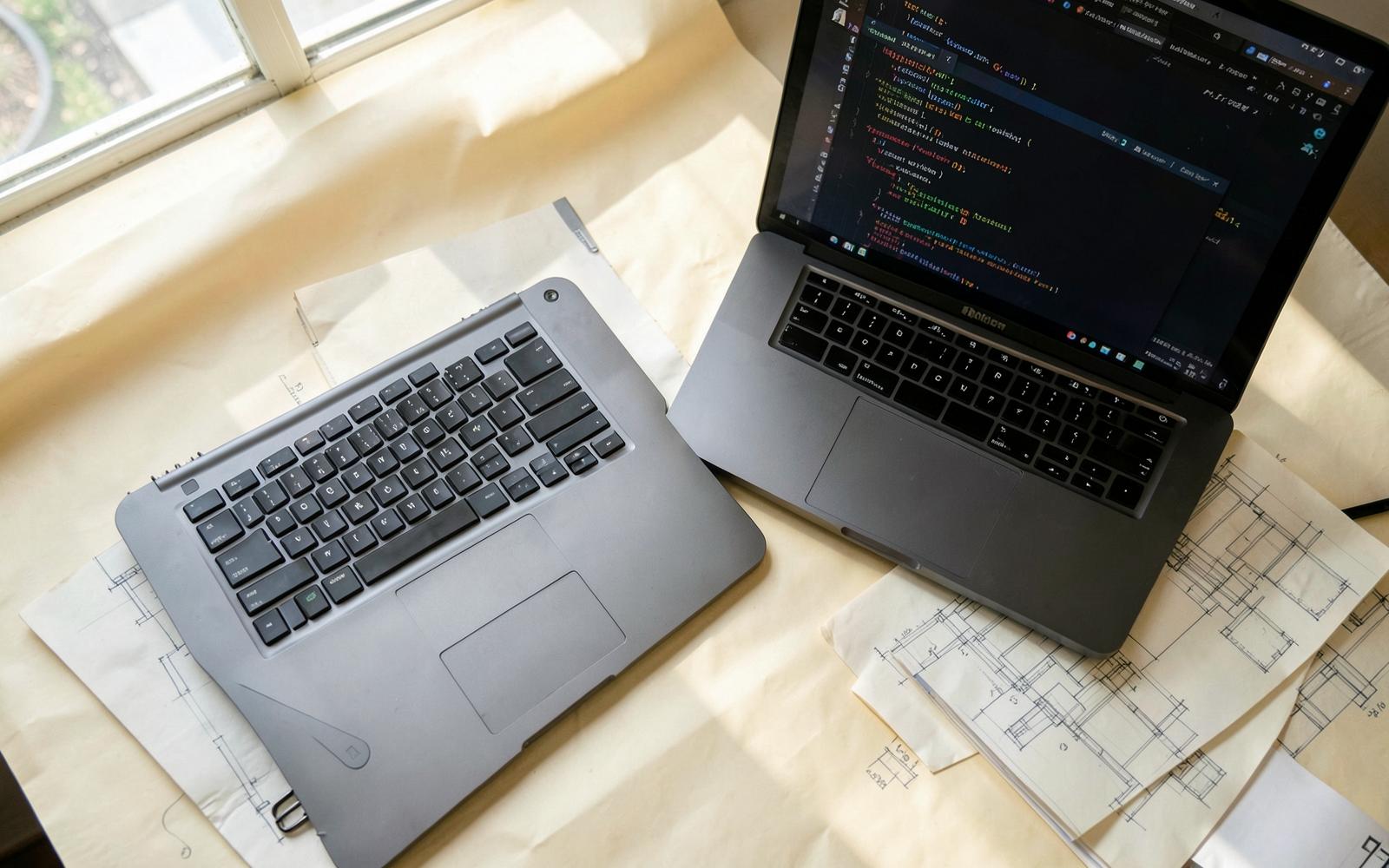
The focus is on web technologies, server-side services, relational data and managed cloud platforms. Within that range the preference is for widely understood, well-documented tools that another engineer can pick up without a private tradition to learn first.
A new dependency has to justify itself against the cost of maintaining it. Where a client already runs a workable stack, the existing choices are respected rather than replaced for their own sake.
Mission and working philosophy
Software as a long-term obligation
The mission is straightforward: build systems that continue to serve the people who depend on them, and leave those systems in a state where change remains affordable.
That has practical consequences. A feature is not finished when it demonstrates well; it is finished when it is tested, documented, observable in production and safe for someone else to modify. Speed that is borrowed from future maintainability is treated as a cost, not a saving — and where a deadline requires that trade, it is named rather than hidden.
Engineering principles
Principles applied to daily decisions
Model the domain first
Names in the code match the names used by the people doing the work, so conversations and implementation stay aligned.
Make behaviour explicit
Hidden defaults and implicit conventions are replaced by configuration and documentation that can be read.
Automate the repeatable
Builds, tests, migrations and deployments run the same way on every machine and in every environment.
Prefer boring solutions
Established patterns are chosen over novelty unless novelty solves a problem the project actually has.
Fail loudly
Errors surface with context in logs and alerts instead of being swallowed into an unexplained empty screen.
Keep the exit open
Code, data and infrastructure definitions remain with the client so no engagement becomes a dependency.
Communication and collaboration
Written first, then discussed
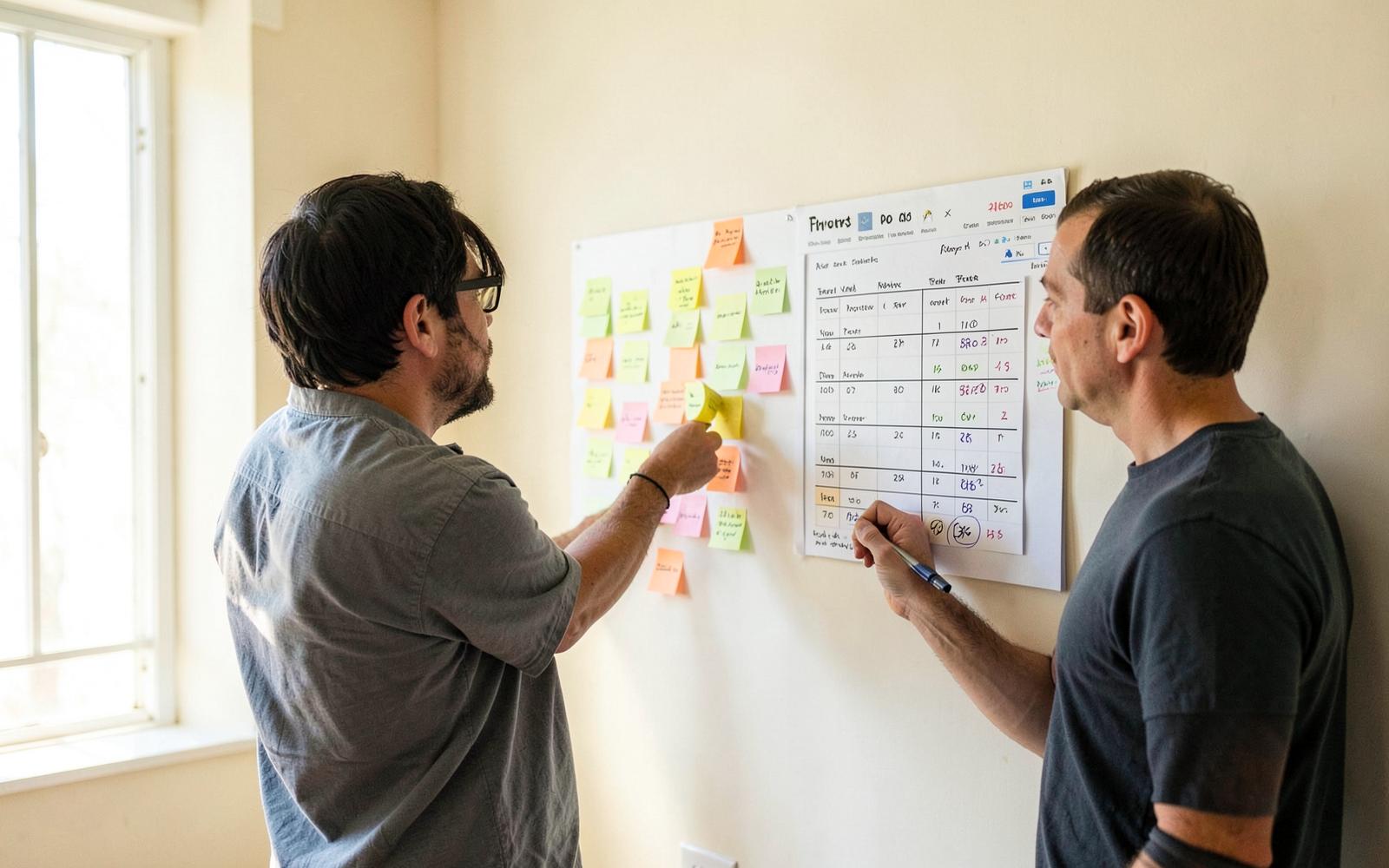
Requirements, scope changes and architectural decisions are put in writing before they are implemented, so that a discussion can be revisited months later without relying on recollection.
Regular reviews show working software rather than status percentages. Questions are asked early and specifically, because an unresolved assumption is more expensive to correct after it has been built. Where a client's team wants to participate in development, code review and pairing are part of the arrangement.
Maintainability and quality
A commitment that outlasts the engagement
Maintainability is measured by how safely the next person can change the system. That means readable code, meaningful tests, reproducible environments, current dependencies and documentation kept close to what it describes.
Quality work is therefore continuous rather than a phase at the end: reviews on every change, automated checks in the pipeline, and defects closed with a test that prevents their return.